
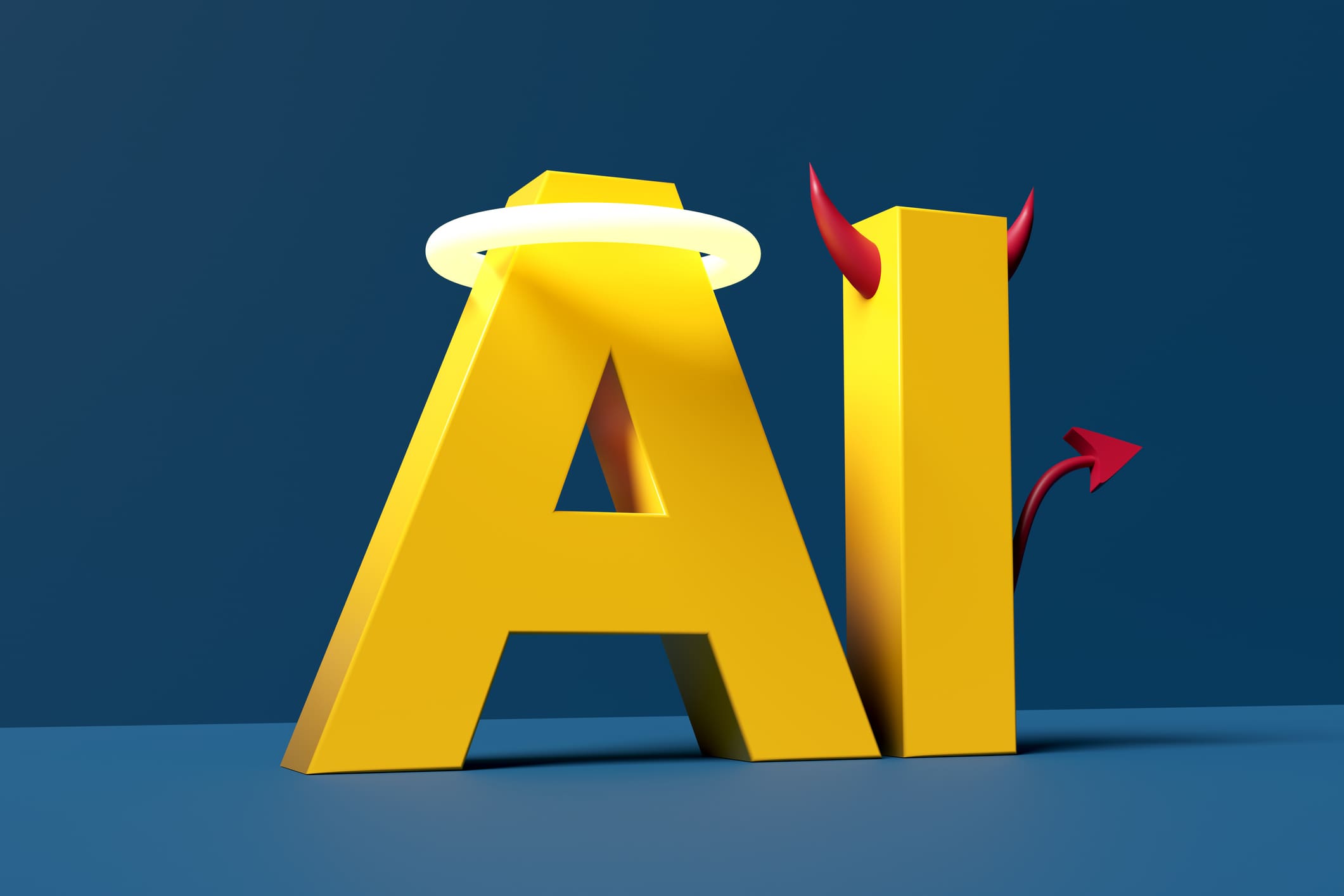
 Most opinions I hear about AI seem to fall into one of two extremes: either it will make everyone rich and solve the world’s problems, or it will destroy jobs, privacy, and truth itself. The reality is likely much more complicated. For the average person, I think there are two major things worth considering
First, how might AI impact the stock market and my finances? The most obvious way people think about AI and money is by investing in the companies that are building the technology. That includes chipmakers, cloud providers, software firms, data centers, and other businesses directly tied to the AI boom.
The danger, however, is that investors often confuse a revolutionary technology with a guaranteed investment return. The internet changed the world, but not every dot-com stock succeeded. AI may be transformational, but the quality of the company, the price paid, and the strength of the business model still matter.
A less obvious opportunity may be found in companies that are not considered “AI companies” at all, but are able to use AI to make their businesses more efficient, productive, and profitable. It may also include businesses that provide the essential resources AI companies need to operate, such as energy, semiconductors, critical minerals, and even water.
Second, I think we need to consider how AI could impact humanity. Throughout history, major technological disruptors have changed the way people live and work. The printing press, the assembly line, the computer, and the internet are just a few examples of innovations that dramatically reshaped society after they took hold.
The encouraging news is that most major technological innovations have, over time, helped reduce poverty, raised standards of living, and improved society as a whole. History suggests that when powerful tools are used wisely, they tend to improve the overall state of humanity rather than destroy it.
While it is too soon to know for certain, I personally believe AI will be no different. That does not mean the transition will be painless. New technologies often create winners and losers, disrupt jobs, challenge institutions, and force people to adapt.
I also have no doubt that AI will be used by bad actors to harm innocent people. Instances of fraud, misinformation, and privacy violations are already increasing through the use of AI and are likely to continue. But AI is also being used right now in ways that should make us optimistic.
As we speak, AI is helping diagnose and prevent disease, improving education and learning, assisting farmers to increase their yields, and helping to keep people safe.
It is perfectly normal for people to fear change. Make no mistake, AI will change both our lives and the lives of future generations. The challenge is to approach it with wisdom, caution, and curiosity. If used responsibly, AI has the potential to improve lives, expand opportunities, and help solve problems that once seemed beyond reach. But like all powerful tools, its ultimate impact will depend less on the technology itself, and more on how we choose to use it.
For those interested in a deeper dive, I will be participating in two workshops on this subject on July 30th and August 6th at the Independence Chamber of Commerce building. During these forums, we will address the impact AI could have on you, your investments, and your personal security. Visit www.stewcap.com for more information.
(Past performance is no guarantee of future results. The advice is general in nature and not intended for specific situations)