
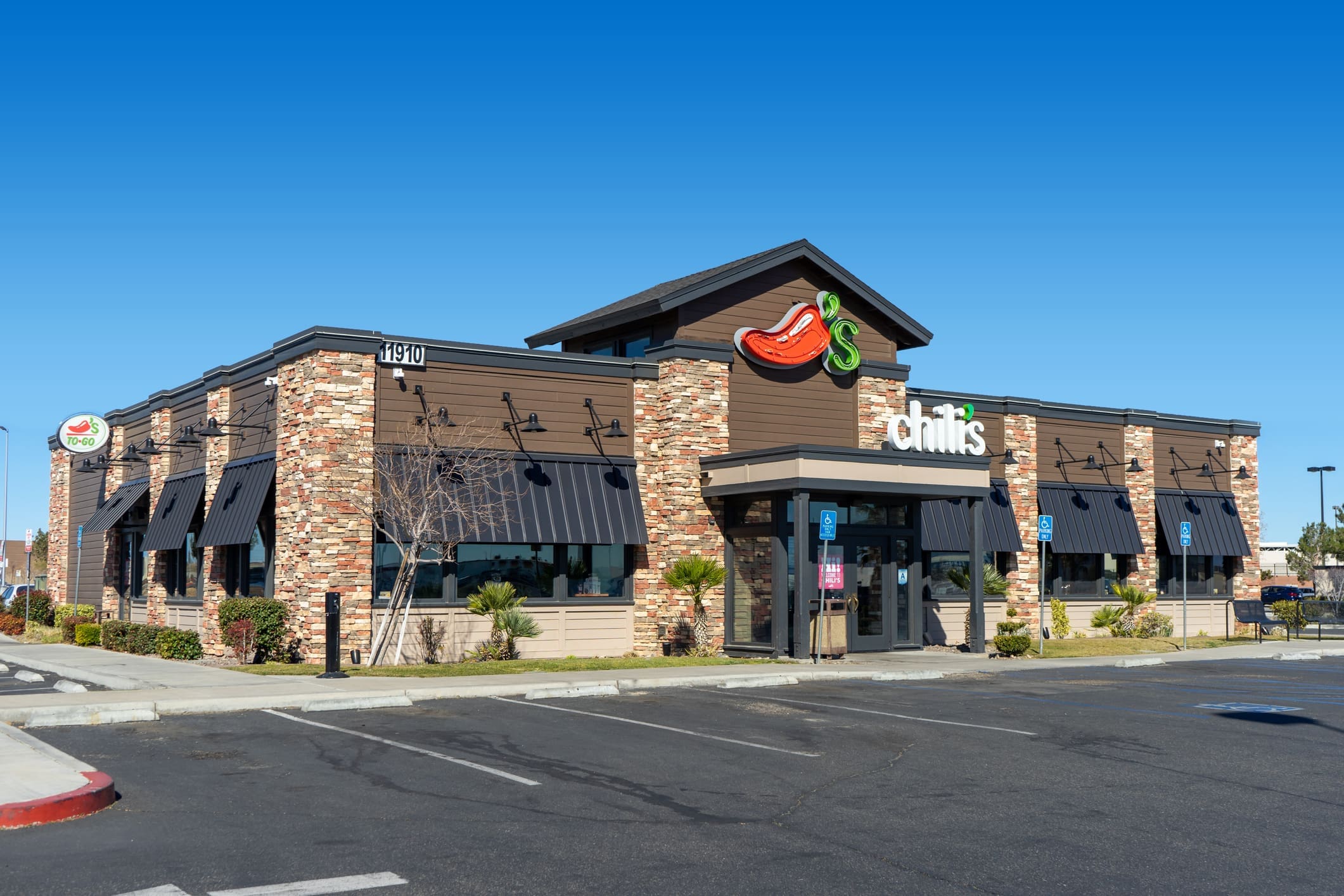
 As someone who loves rooting for the underdog, I have really enjoyed watching Chili’s experience a remarkable resurgence in recent years. The restaurant rose to prominence in the 1990s alongside chains like Applebee’s and TGI Fridays. Its baby-back ribs, sizzling fajitas, quirky décor, and catchy advertising became part of the culture of that era.
By the late 2000s, Chili’s had become a place people fondly remembered more than a place they actually visited. However, the company recently announced its 21st consecutive quarter of growth, and operating income has more than tripled in the past three years.
Much of Chili’s success has been credited to its unconventional marketing strategy. Rather than relying on conventional commercials, they focused their attention on social media content that looked like ordinary food-review videos: featuring people eating together, trying menu items, and reacting to the food. Kevin Hochman, CEO of parent company Brinker International, estimated during the early stages of the turnaround that roughly 40% of the company’s traffic increase came from TikTok buzz.
Chili’s also used social media to listen. Management noticed people posting fast-food receipts and complaining about rising prices. Chili’s used this consumer frustration to target those diners with its $10.99 3 for Me Menu, promising more food and a higher-quality dining experience at roughly the same price as fast food.
Another major part of the resurgence was Chili’s willingness to embrace its past. Management recognized something many aging brands miss: being old can be a liability if consumers think you are dated, but an advantage if they think you are nostalgic.
Chief Marketing Officer George Felix described the goal of shifting Chili’s image from “that restaurant my parents used to take me to” to “that fun restaurant I remember from growing up.”
Chili’s leaned heavily into that nostalgia. It hired 1990s R&B group Boyz II Men to re-record its iconic baby-back-ribs jingle, used 1990s television star Tiffani Thiessen to promote its “Radical ’Rita,” and tapped into the enduring popularity of The Office by redesigning its Scranton location to resemble the Chili’s featured in the show.
Other restaurant chains have taken notice. Pizza Hut spent years moving away from dine-in restaurants toward delivery and carryout, eliminating many of the features customers associated with the brand: red roofs, checkered tablecloths, Tiffany-style lamps, salad bars, and arcade games. More recently, Pizza Hut has begun bringing some of those retro vibes at select locations.
Taco Bell has also revived old menu items through its Decades Menu, while McDonald’s has brought back Extra Value Meals and other familiar elements from its past.
The lesson from Chili’s revival is that no business is automatically too old to grow again. Nostalgia may convince customers to give an old brand another chance, but only a good product, strong value, smart marketing, and solid execution will keep them coming back. With the right strategy, even a brand that appears to be fading can become relevant again.
(Past performance is no guarantee of future results. The advice is general in nature and not intended for specific situations)