
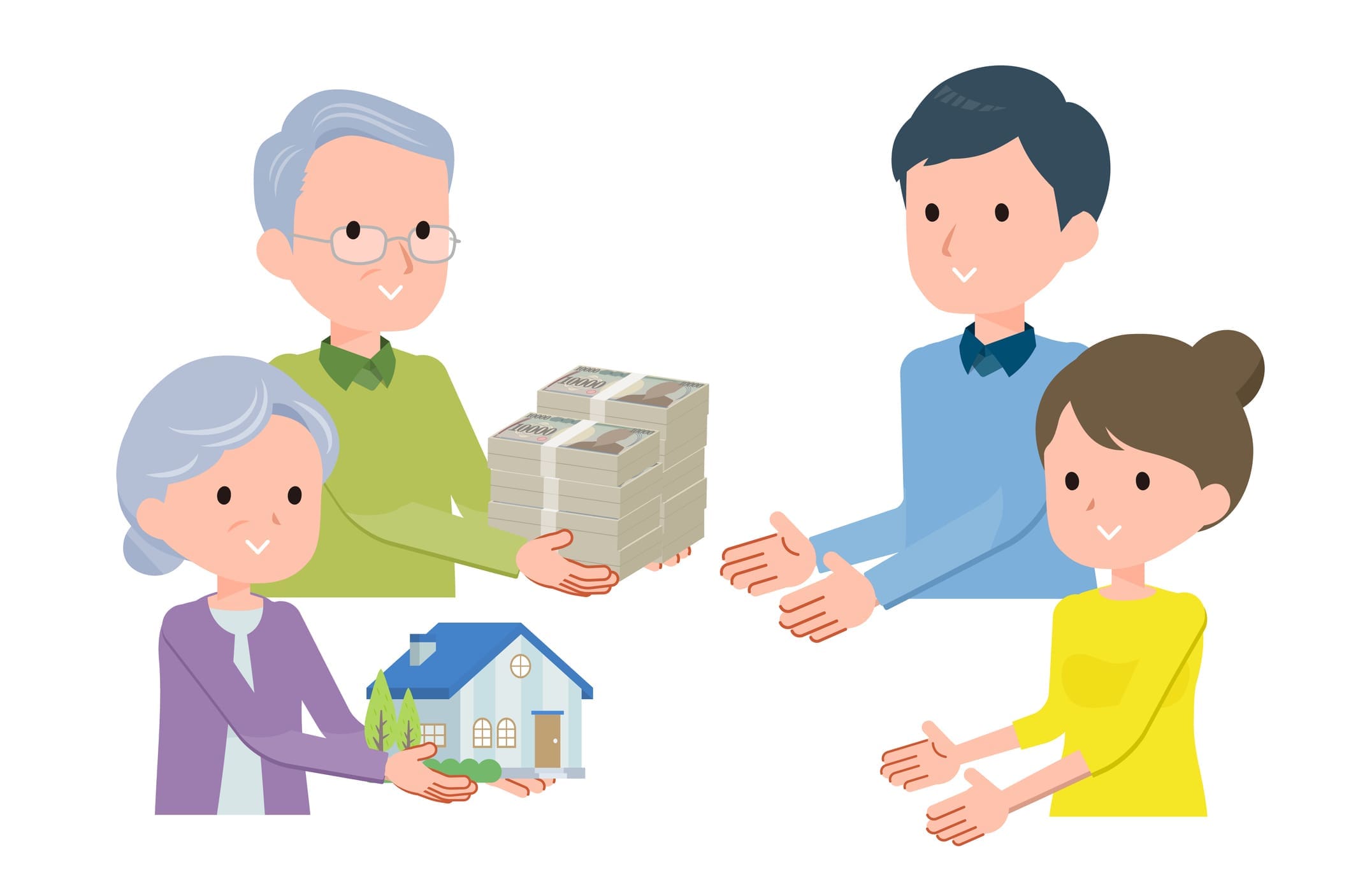
 The great wealth transfer that economists have been discussing for decades is poised to soon become a reality. In fact, by 2048, approximately $100 trillion is projected to leave the hands of the baby boom generation and pass to the next generation. However, because life expectancy is continuing to increase, and wealth is staying with the older generation longer, these transfers will often occur after many of the beneficiaries’ biggest financial milestones have already passed.
A Vanguard study published last month found that inheritances left to children today typically arrive when the heir is in their early to mid-60s. By the time the majority of baby boomers reach the end of their lives, their heirs are likely to be even older.
I am experiencing this in my own life, as I work with my parents on their estate plan. My siblings and I have all moved from the starting-out phase of life into the wealth-building phase. With both my mom and dad in good physical health, I’m confident they have many years ahead of them. Because of that, by the time their assets eventually pass to my siblings and me, we will likely be at a stage in life where these gifts are far less transformative.
To put this impact in perspective, the same Vanguard study found that inherited IRAs increased investable assets by approximately 66% for heirs in their 30s but only 22% for heirs in their 60s. That difference is even more meaningful when you consider that people in their 30s and 40s are typically carrying much higher levels of debt relative to their assets. It makes receiving an inheritance far more likely to change their financial trajectory than it does for someone who has already spent decades building wealth and paying down debt.
For those of you who find yourselves receiving an inheritance later in life that you don’t really need, I have a few recommendations that can increase the impact the money has on you and others as well. First, consider passing some of it along to future generations sooner. This might mean helping your own children pay down a mortgage earlier or funding a grandchild’s education. You might also consider giving a portion to a charity you care deeply about or to a donor-advised fund that can be used to create a legacy of giving that lasts long after you are gone.
I might also recommend spending a portion of it on something that can bring the family together. Perhaps that means paying for a large family trip that creates lifelong memories not just for you, but for your kids and grandkids as well, or maybe even purchasing a vacation home that gives you and your extended family a place to gather and grow closer.
Ultimately, any money left to you is meant to serve a purpose. An inheritance should not simply become another number on a statement. Regardless of when you receive it, it should be used in a way that reflects the life, values, and intentions of the person who spent years building it.
(Past performance is no guarantee of future results. The advice is general in nature and not intended for specific situations)