
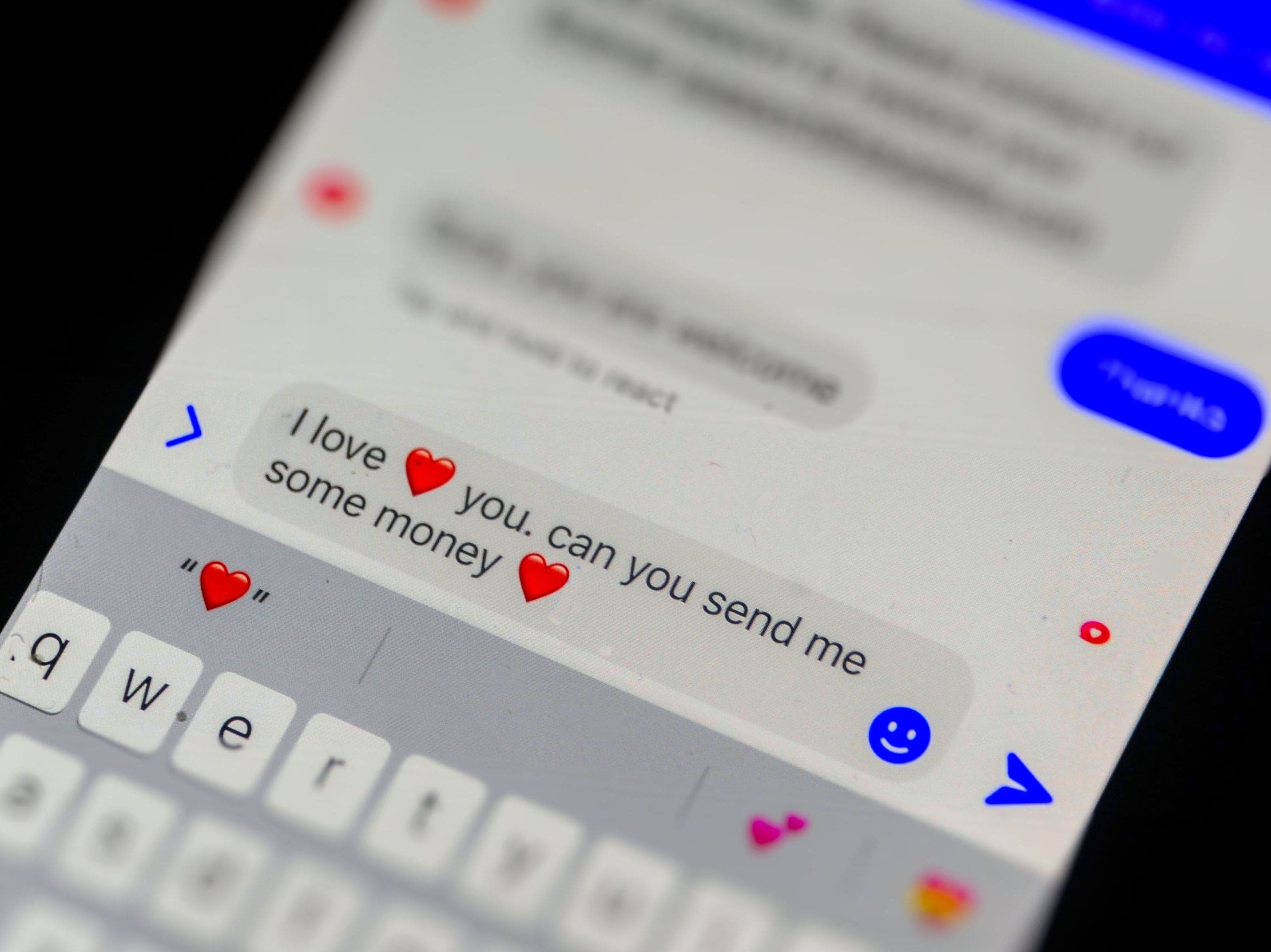
 According to a 2025 study by the Pew Research Center, more than half of Americans over the age of 65 who live alone say they feel lonely or isolated. Unfortunately, there is an entire industry of criminals who are using that loneliness as a way to scam them out of their hard-earned money.
According to the FBI’s 2025 Internet Crime Report, just last year there were over 10,000 complaints filed by Americans age 60 and older involving confidence and romance scams, at reported losses of $584 million. In just one year, complaints increased about 34% and reported losses from those instances increased about 50%. Sadly, given the embarrassing and personal nature of these crimes, the number of victims is probably much higher than even these startling figures suggest.
I have known individuals, both young and old, who have found themselves caught up in one of these scams. What is perhaps hardest for loved ones is that although the scam may be easily identified by outsiders, the victim is often so blind to the situation that they continue to give the scammer money even after being warned by multiple people that the relationship is not real.
So how does a scammer make someone fall in love with them over a computer? They typically use a few psychological levers at once. In his book Dark Psychology 101, Michael Pace describes one of these tactics as “love bombing,” which softens a victim’s defenses by giving them a great deal of attention, asking personal questions, remembering details that have been shared with them, and mirroring the victim’s interests, values, and hopes.
Another tactic is sometimes called “future faking.” They will talk about meeting, traveling together, getting married, buying a home, or spending retirement together. They may quickly use affectionate language and talk about fate or destiny when describing their future together. In this way, the victim is not simply investing emotionally in a person; they begin investing in an imagined future that doesn’t exist.
While the emotional part of the scam may progress very quickly, the financial aspect is usually much slower. It is only after significant trust is established that money enters the picture. The requests may start small and sound reasonable, such as a travel problem, a medical emergency, or a temporary inability to access funds. But by then, the victim likely does not feel as though they are sending money to a stranger on the internet. They feel they are helping someone they are very close to. That is the scammer’s endgame: not simply to convince someone to send money, but to convince them that they are no longer dealing with a stranger, but with a loved one.
Once a person is convinced of that, there may be almost no limit to the requests the scammer can make, or to how strongly the victim will resist those who tell them the relationship is not real. One victim named Rita, whose story was highlighted by the FBI, described her interactions with the scammer as being “like a drug” that she felt she could not live without.
If you believe a loved one is caught in a romance scam, it is important not to ridicule them or demand that they end the relationship. Instead, try to preserve their trust while asking them to pause all financial support until the person can be proven to be real. Focus on facts. Ask why they have not met in person or by video chat. Ask why their emergencies keep involving money. Point out that a legitimate relationship should be able to survive a temporary halt to financial help and reasonable efforts to verify someone’s identity. If it cannot, that may just be the evidence they need to see the truth.
(Past performance is no guarantee of future results. The advice is general in nature and not intended for specific situations)