
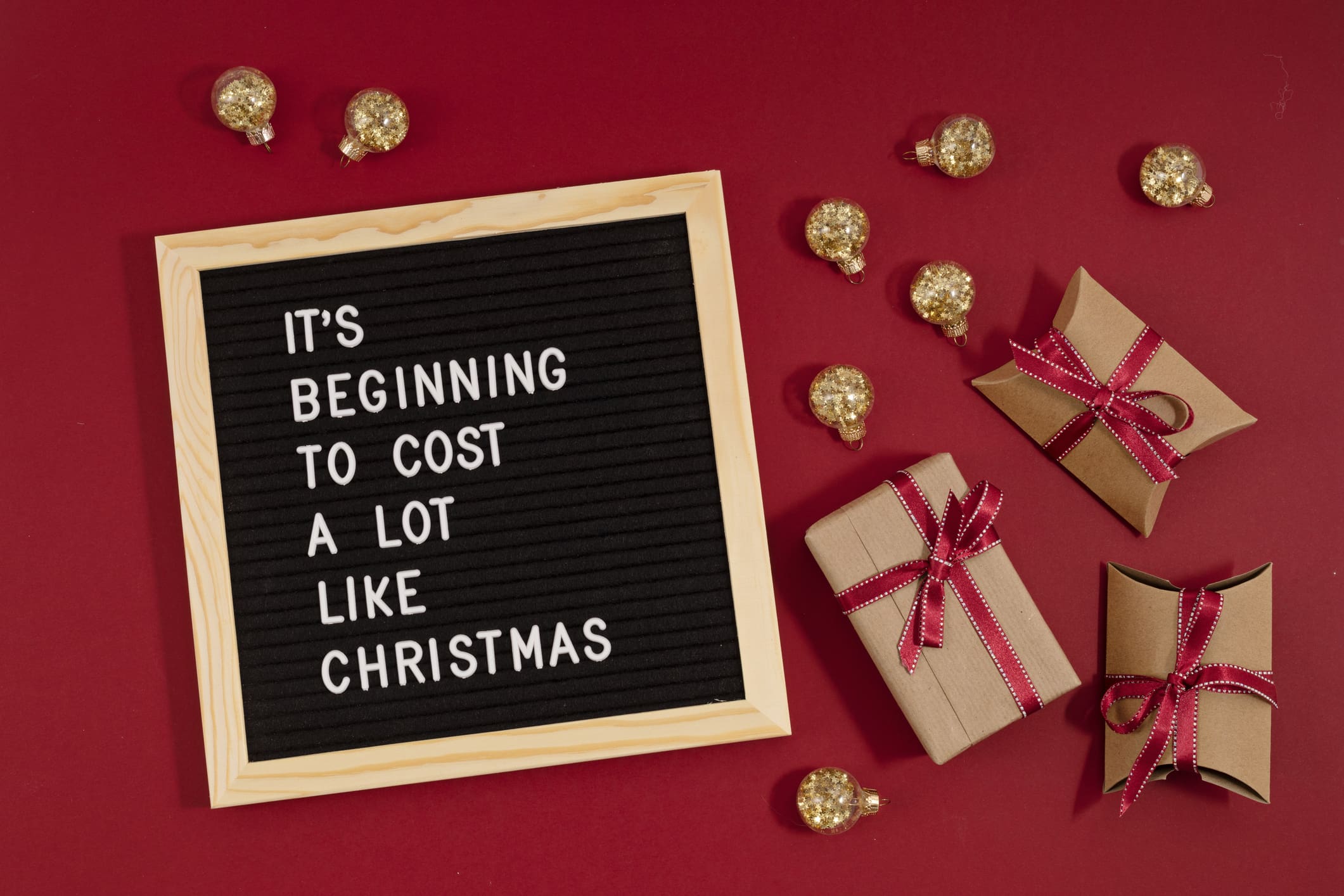
 Christmas is often viewed as a season of extravagance. It conjures up visions of overflowing tables, full calendars, homes decorated to the nines, and of course stacks of gifts under the tree. Yet the original Christmas story is strikingly different. It was defined not by excess or luxury, but by uncertainty and hardship. And still, the story of that first Christmas has endured for centuries because it reminds us of something both deeply human and deeply miraculous: even in moments of difficulty, meaning and hope can flourish.
That lesson feels particularly relevant in our current world. Today, many people approach the holidays with quiet anxiety. The pressure to create the “perfect” Christmas often leads us to spend more than we should, using money we don’t have, which only adds to the stress of the season. In these moments, the tension isn’t just financial; it’s emotional too. We worry about getting everything done, about measuring up to others, and about letting the people we love down.
But what if Christmas were not a stressful exercise at all?
Consider gift-giving. The most meaningful gifts are rarely the most expensive. A handwritten note, a shared tradition, or time spent together, these are not substitutes for “real” gifts. They are often the real gift. And they come without interest rates or the pressure of finding the perfect bargain.
A few years ago, instead of giving my parents another item that would likely end up tucked away in a closet, I gave them something different: a weekly family dinner. I told them we would have them over every Sunday night to spend time together as a family. That simple tradition has become one of the most meaningful parts of our lives. My kids still look forward to it every week, and three years later, my parents remain perfectly content receiving this as their annual Christmas gift.
There is something quite countercultural about this kind of contentment. In a season driven by consumption, choosing to resist the constant pull toward materialism requires intention. It serves as a reminder that joy is not something we purchase, but something we cultivate.
As the year draws to a close, many people naturally reflect on the season. This Christmas, instead of asking, “Did we do enough?” or “Did we spend too much?” perhaps a better question is this: Did our choices reflect who we want to be and what we truly value?
The Nativity story reminds us that the fulfillment of a plan does not require ideal conditions. It often takes shape in imperfect circumstances. That lesson, both financial and personal, may be one of the greatest gifts the season has to offer.
(Past performance is no guarantee of future results. The advice is general in nature and not intended for specific situations)