
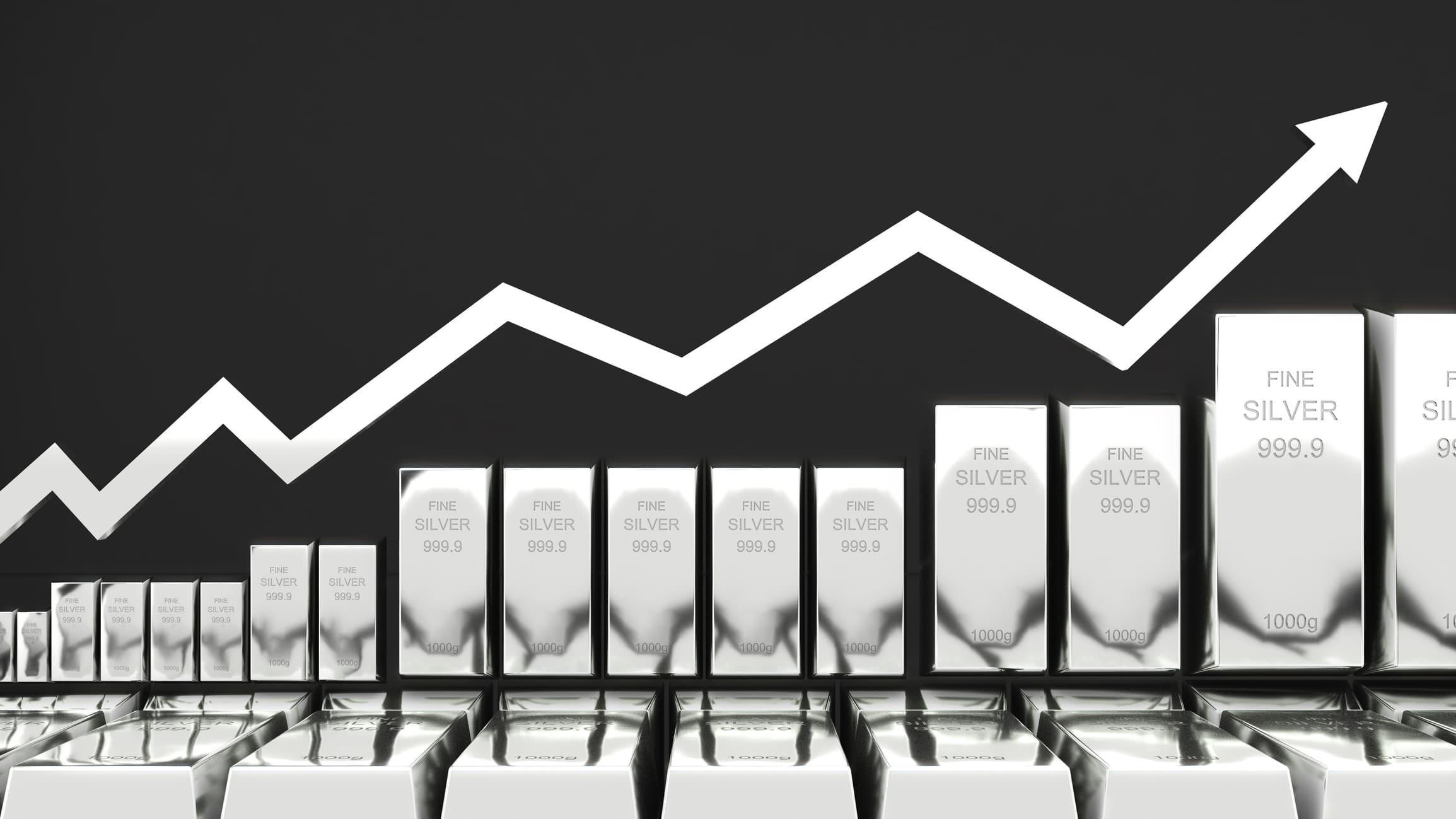
 Silver has quickly become one of the most talked about assets in the financial markets. Prices have surged to levels not seen in many years, drawing attention from investors searching for protection, opportunity, or both. While silver’s recent rally is supported by real and compelling factors, history reminds us that assets driven by excitement can reverse course just as quickly. In other words, what goes up fast often comes back down even faster.
One of the primary forces behind silver’s rise is supply and demand. Unlike gold, which is held largely by investors seeking wealth preservation, silver has a unique dual role as both a precious metal and an essential industrial resource. It is a critical component in solar panels, electric vehicles, medical devices, semiconductors, and a growing list of advanced technologies. As we have moved toward electrification and renewable energy, demand for silver has increased alongside them.
At the same time, silver supplies have struggled to keep pace. Years of underinvestment, rising production costs, and geopolitical uncertainty have constrained mining activity in key producing regions. Developing new mines is both expensive and time-consuming, making it impossible for supply to respond quickly to rising demand. The result has been a tightening market that supports higher prices.
Investor behavior has also played a role in these price spikes. Persistent inflation concerns, expanding government deficits, and uncertainty surrounding interest-rate policy have renewed interest in hard assets. For many investors, silver may feel like a more accessible alternative to gold. Traditionally it is less expensive per ounce and historically can be capable of more dramatic gains during periods of economic stress.
However, the same forces driving silver higher also introduce significant risk. Silver has a long history of boom-and-bust cycles, often fueled by speculation, leverage, and emotional decision-making. Rapid price increases tend to attract inexperienced investors who may enter the market late, only to find that the gains they expected fail to materialize.
Another risk lies in the possibility of an economic slowdown. Because silver is closely tied to industrial demand, a recession or sharp decline in manufacturing activity could reduce consumption just as investor enthusiasm has reached its peak. If demand softens and speculative capital exits the market simultaneously, prices could fall quickly and sharply.
My advice to anyone considering going “all in” on silver is to exercise restraint. Silver may have a definite role in a diversified portfolio, particularly as a hedge or tactical allocation. However, chasing rapidly rising prices without a clear plan often leads to disappointment. The goal is not to predict how high silver might go, but to understand how it fits, or doesn’t fit, within your broader financial strategy. As always, the most dangerous part of any investment vehicle isn’t the asset itself. It’s the belief that there is such a thing as a sure thing.
(Past performance is no guarantee of future results. The advice is general in nature and not intended for specific situations)