
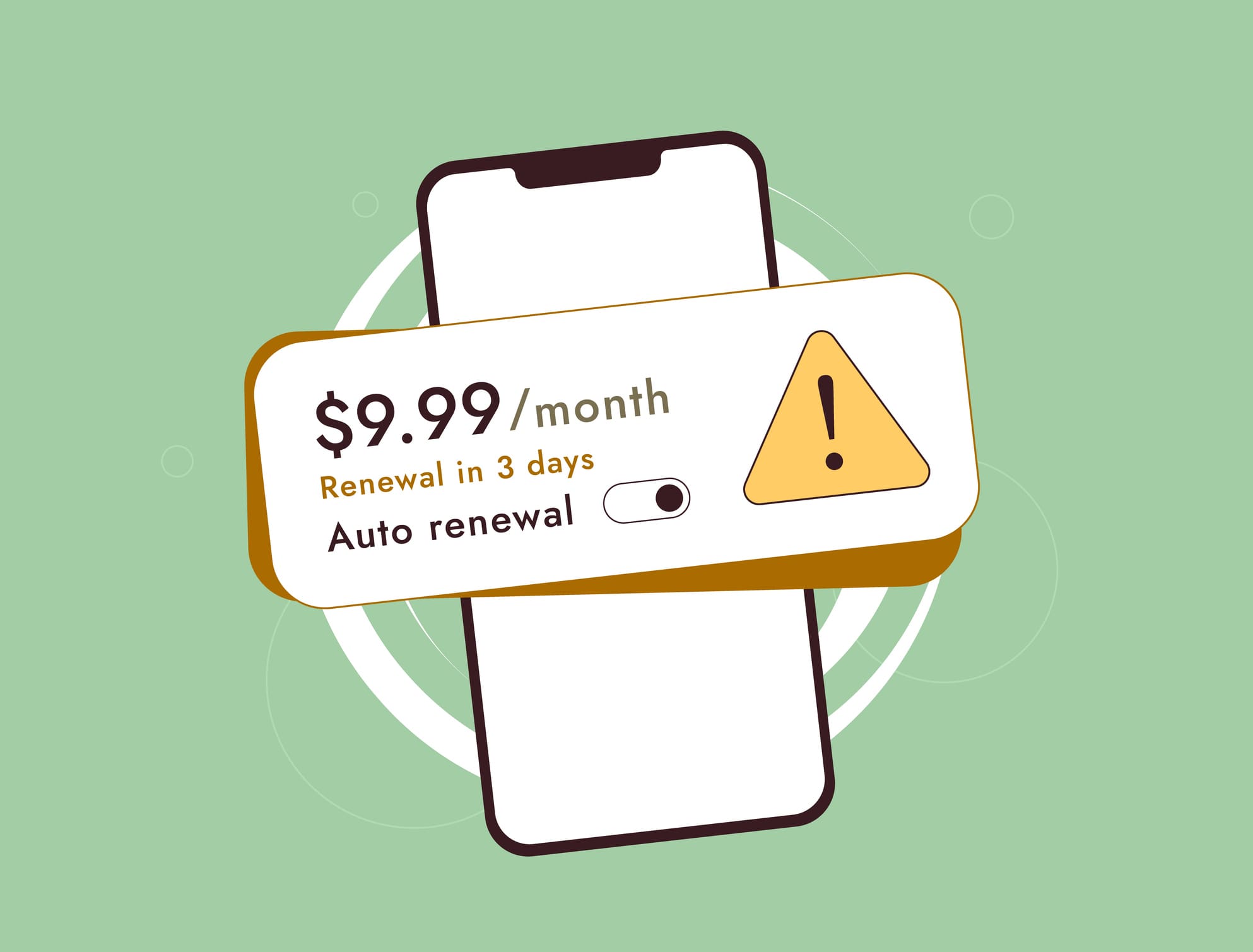
 We have just entered a brand-new year. It’s a time often associated with fresh starts and new beginnings. One area I recommend people clean up at this time is neglected or unused recurring autopay expenses, often referred to as “zombie subscriptions.” They earn this nickname because, much like zombies, they refuse to die naturally. Even after they should be gone, they continue on indefinitely unless deliberate action is taken to track them down and eliminate them.
Part of what makes these expenses so dangerous is they are not like most other spending. There’s no active decision point, no checkout screen, no pause to reconsider, no pain of payment. Just withdrawals happening behind the scenes. A 2024 market survey conducted by C+R Research illustrates how powerful this effect can be. On average, respondents believed they were spending about $86 per month on subscription services, only to discover after reviewing their statements that the true figure was nearly three times that.
To be clear, I’m not opposed to autopay in principle. For critical obligations like utilities or credit cards, it can be a useful tool to avoid missed payments and late fees. The danger arises when autopay is overused and accounts aren’t consistently reviewed or reconciled. By removing the moment of choice from each transaction, autopay turns active decisions into passive defaults. Expenses that once required a deliberate “yes” simply continue on indefinitely, fading into the background of the monthly cash flow. Over time, people don’t just lose track of what they’re paying for, they lose the connection that should exist between their spending and their priorities.
This dynamic is not lost on companies either. In fact, many intentionally deepen this disconnect by offering steep discounts for annual payments. These deals are framed as attractive introductory offers: pay for a full year upfront and save significantly. But once that initial year passes, the service automatically renews at the standard, higher price. Because the original payment happened long ago, the renewal date is easy to forget. When the charge finally appears, many people rationalize keeping the service for a while longer, since it’s already been paid for. Unfortunately, that next renewal once again fades out of sight and out of mind, until another full year is charged and the cycle repeats again and again.
A practical way to break this cycle is with a subscription audit. Once or twice a year, take the time to list every recurring charge, and write down not only what each service costs, but when it renews and what value it actually provides. Ask a few honest questions: Do I still use this? Would I miss it if it were gone? Would I knowingly sign up for it again today at this price? Would manually paying this bill when it’s due force me to think differently about it?
This exercise isn’t about deprivation or adding unnecessary complexity; it’s about alignment. When spending is intentional, money flows toward what truly adds value rather than just quietly slipping away through habit. A short review can turn autopay from a liability back into a tool and restore control over dollars that deserve a clear purpose.
(Past performance is no guarantee of future results. The advice is general in nature and not intended for specific situations)