
Re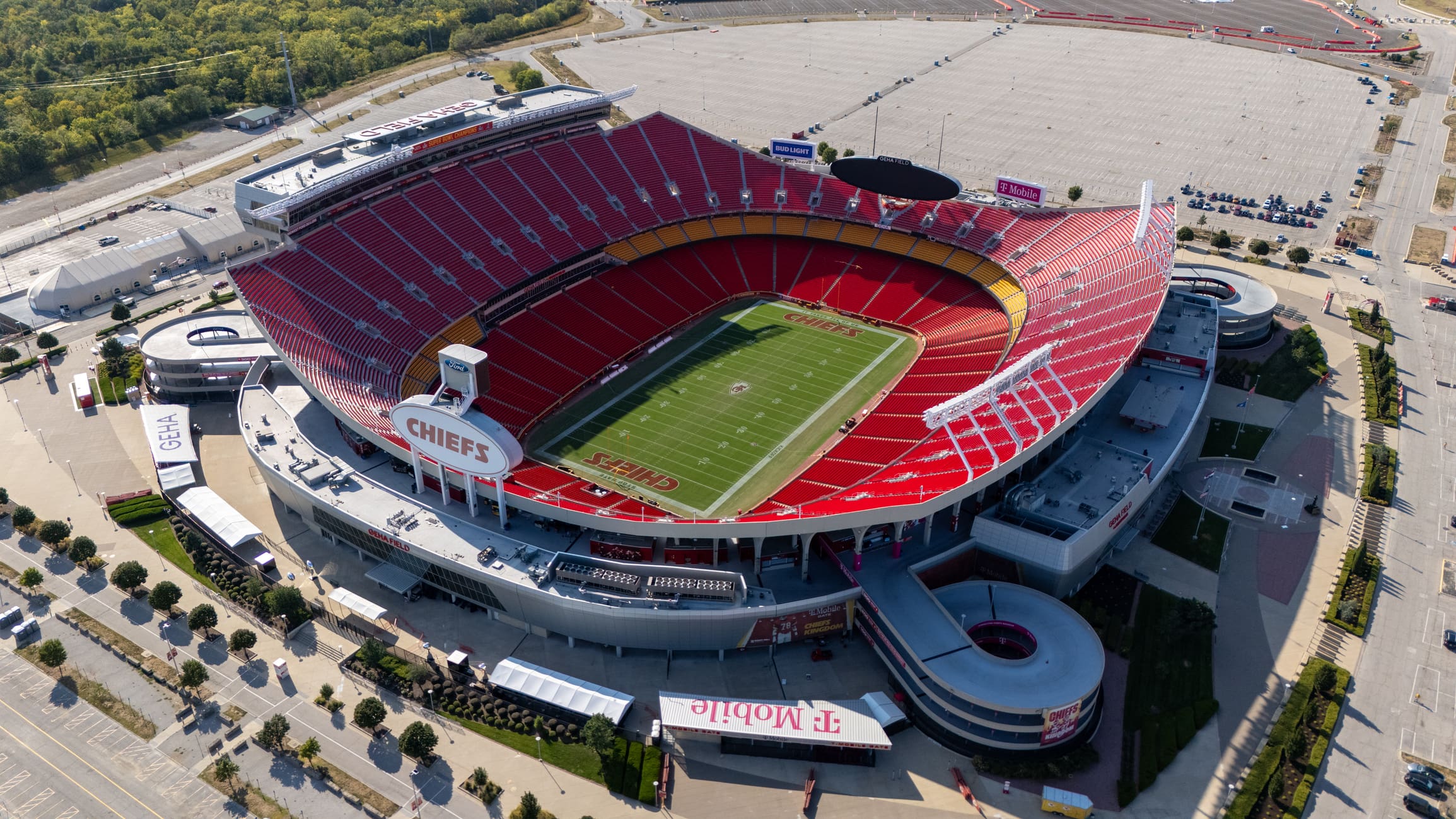 cently shockwaves were felt across both Kansas and Missouri as the Kansas City Chiefs announced their intention to move the team across the state line to Kansas when its current lease ends in 2030.
Under the agreement, Kansas will cover roughly 60–70 percent of a brand new $3 billion domed NFL stadium and surrounding development through STAR (Sales Tax and Revenue) bonds. These bonds divert future sales and liquor tax revenue to pay off construction costs.
Along with the stadium build in Wyandotte County, the deal includes plans for a new Chiefs headquarters, training facilities, and mixed-use entertainment districts in Johnson County as well. At first glance, bringing the crown jewel of Midwestern sports franchises to their state likely sounds like an exciting development for Kansas residents.
Supporters of the plan promise job creation and increased tourism. But a closer look reveals why publicly funded stadium deals like this often don’t live up to the hype and end up benefiting only the very wealthy while widening the gap between “haves” and “have-nots.”
My biggest concern with these STAR bonds is that they are fundamentally unfair to taxpayers. When these projects succeed, the private entities receiving the bonds keep the profits they generate. However, if revenue projections fall short, as they often do, the public remains responsible for repaying the revenue shortfall. In other words, the potential rewards of these bonds are received by the private company, while the potential risks are borne entirely by the taxpayer.
Another major issue with these programs is that the benefits of these public dollars are highly concentrated. Wealthy team owners, developers, and landowners receive the bulk of the financial windfall. Even access to the stadium is limited to those who can afford the high costs of the games and events held there. Meanwhile, this kind of government spending diverts resources away from other investments that provide genuine public benefit, such as parks, libraries, schools, or infrastructure improvements.
Perhaps most frustrating is the way politicians often tout these stadium deals as generators of new regional wealth In reality, when nearby states and cities compete with one another using public dollars and tax incentives, the result is often a zero-sum game. One locality may gain at the expense of another, but the overall economic condition of the metropolitan area remains largely unchanged.
Some may point to this example as evidence of corporate greed and claim it represents a failure of capitalism that inevitably widens the gap between rich and poor. I would argue the opposite. These stadium deals are not capitalism at work; they are its antithesis, crony capitalism. It is what happens when government plays too large a role in private enterprise.
As we in Jackson County turn our attention to the Royals and where they will ultimately build their stadium, I would argue we should resist the temptation to increase the amount of public money we offer them. If a professional sports team wants a new stadium, they should bear most of the costs and risks associated with building it. Public investment should uplift communities broadly, not funnel billions of dollars to the wealthiest among us.
(Past performance is no guarantee of future results. The advice is general in nature and not intended for specific situations)