
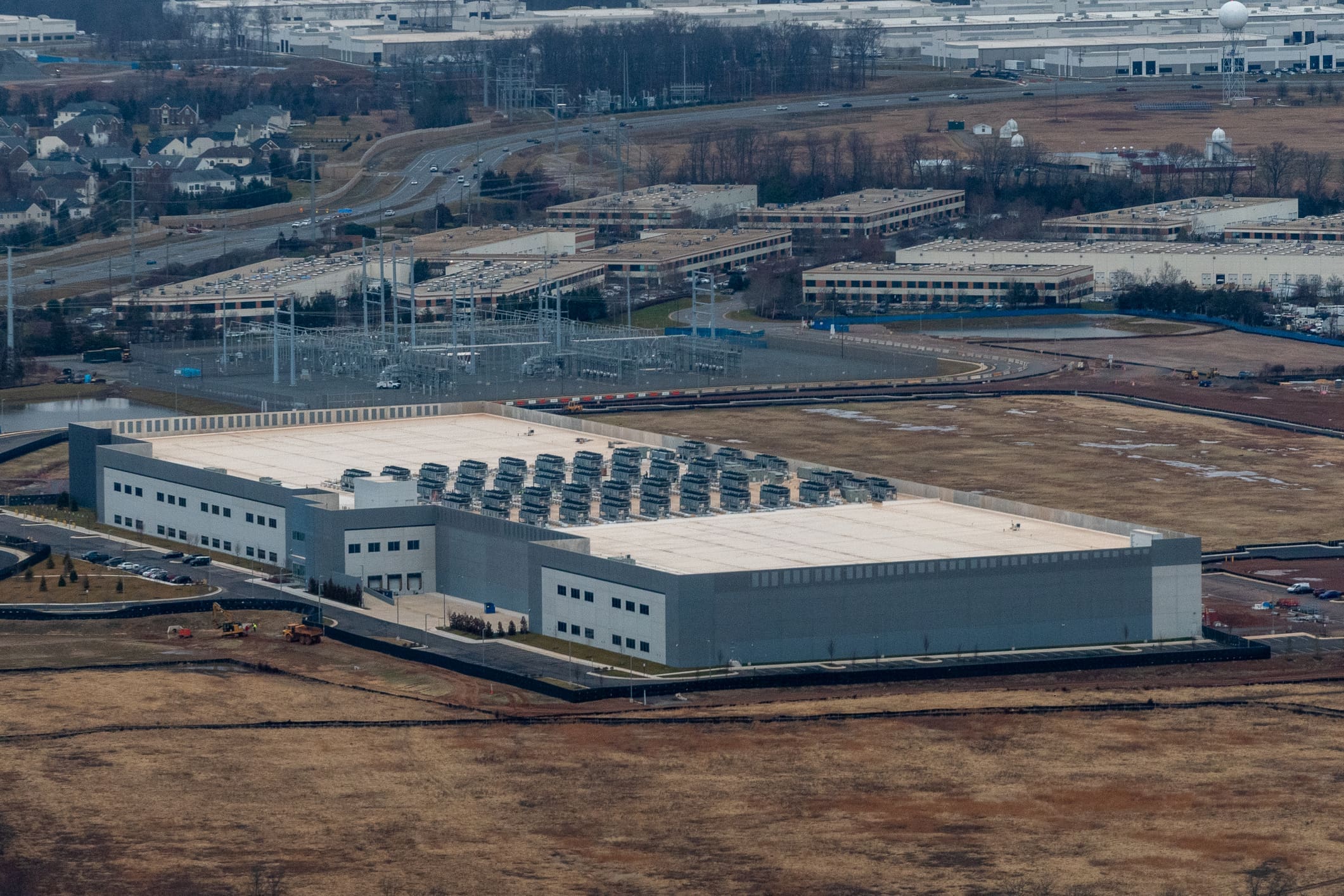
 Data centers are getting a lot of attention right now. Nationally, President Trump stirred up a bit if controversy recently when he said all US communities should be welcoming these data centers for the revenue and economic development they bring with them. Locally, voters in Independence just voted overwhelmingly to recall longtime City Council member John Perkins following his support for incentives for the Nebius data center project near Little Blue Parkway.
Regardless of your personal view on data centers, the AI revolution has created a massive race to build them. In fact, proposed data-center projects across the United States have requested access to more than 700 gigawatts of electricity, more than 10 times the amount of electricity used by all current U.S. data centers. The problem is that nobody is quite sure how much of that demand is real.
Because grid capacity is becoming scarce, companies and developers have an incentive to get in line early, sometimes before they have a fully financed or committed project. This results in something the industry refers to as “ghost demand.”
In an attempt to determine how much of this requested electricity demand is real, some utility companies have begun requiring developers to put real money behind their requests. For example, Mid-Atlantic energy provider Exelon reportedly reduced its estimate of high-probability data-center demand by about 40% after imposing stricter collateral requirements. AEP Ohio’s prospective data-center pipeline fell by more than half after Ohio instituted new requirements, including connection-study fees. Apparently, asking someone to put down a deposit is an effective way to determine whether their billion-dollar project actually exists.
That’s not to say the data center boom isn’t real. U.S. electricity consumption is still expected to hit new records in 2026 and 2027, with data centers among the important drivers. Real companies are spending extraordinary amounts on this technology. Amazon, Alphabet/Google, Microsoft, Meta, and Oracle are together on pace to spend roughly $750 billion in capital expenditures during 2026, much of it tied directly or indirectly to data centers.
With that said, history teaches us that the bigger and more exciting an opportunity becomes, the more likely investors are to confuse potential growth with actual returns. Eventually, someone asks the question these utilities are now asking: Who is really going to use all of this computing capacity? Before buying into all the hype, that’s a question investors should probably be asking too.
(Past performance is no guarantee of future results. The advice is general in nature and not intended for specific situations)